
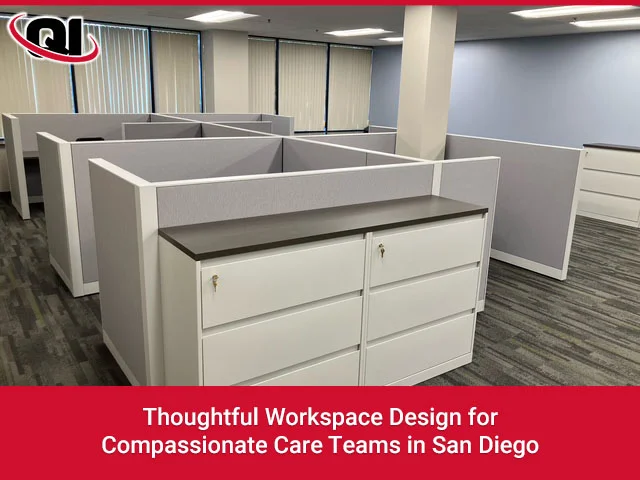
Designing an interior workspace for a personal care services organization requires balancing professionalism, comfort, and efficiency. In San Diego, this recently completed office environment reflects how layout decisions and furniture selection can support teams dedicated to helping individuals maintain independence and quality of life at home. The space’s visual language communicates organization, accessibility, and calm, all of which align with the mission of non-clinical home care providers.
Functional offices that support daily coordination
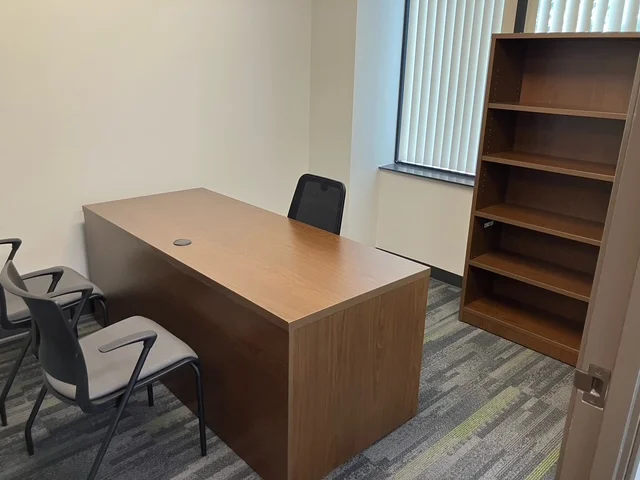
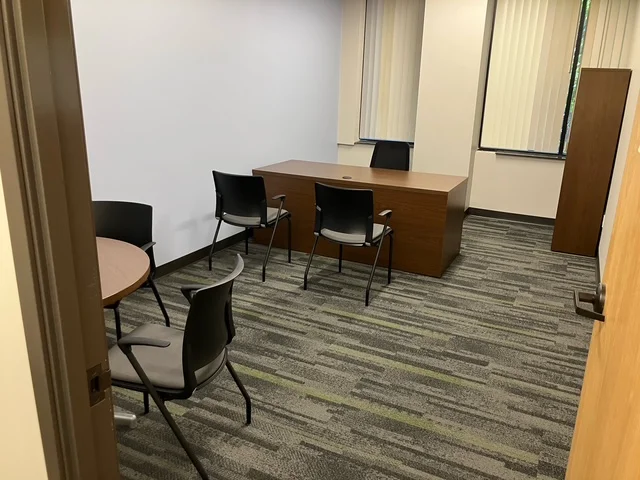
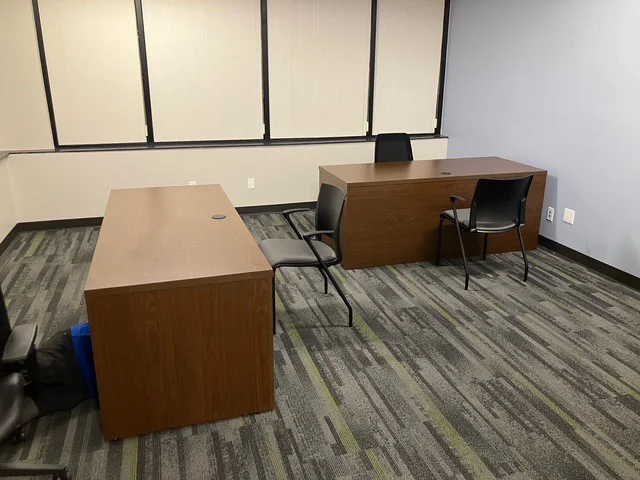
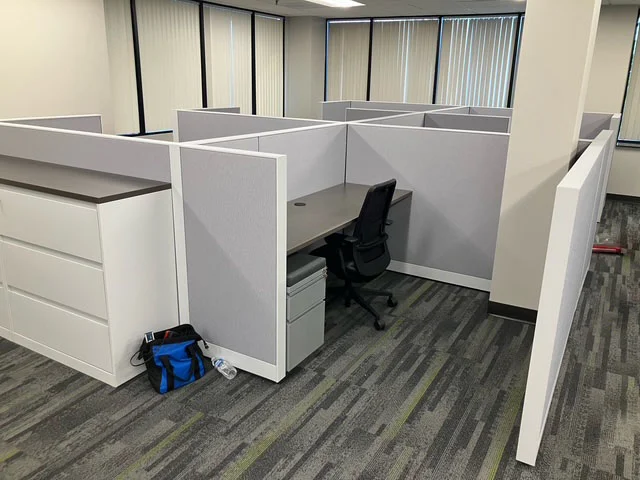
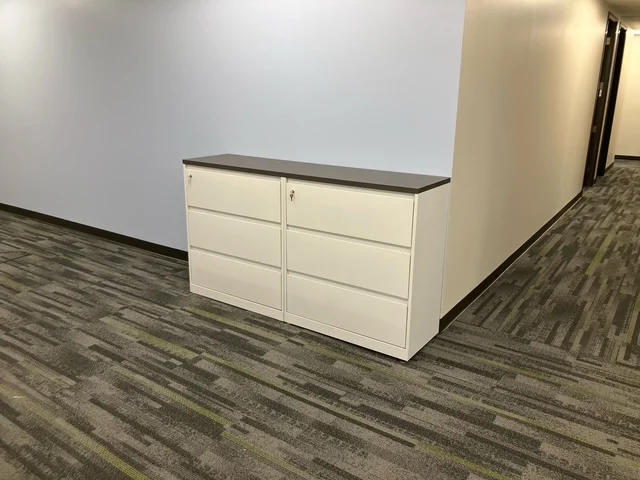
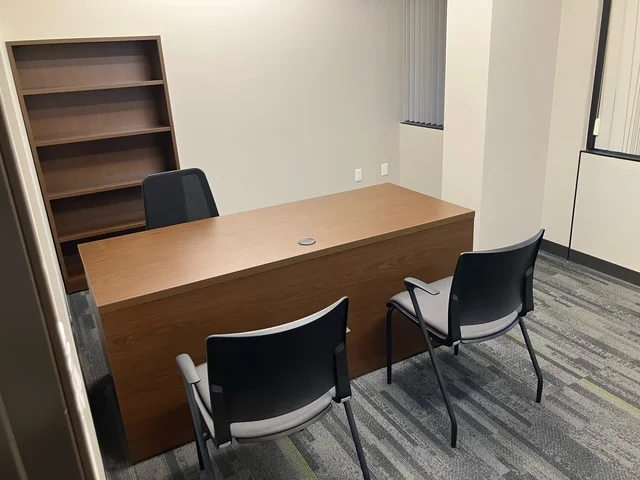
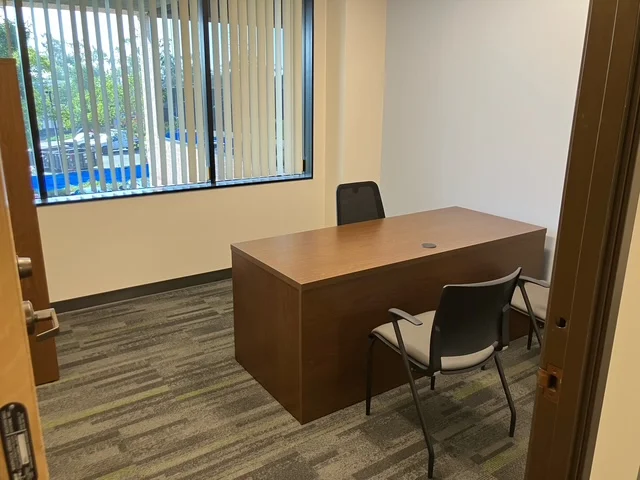
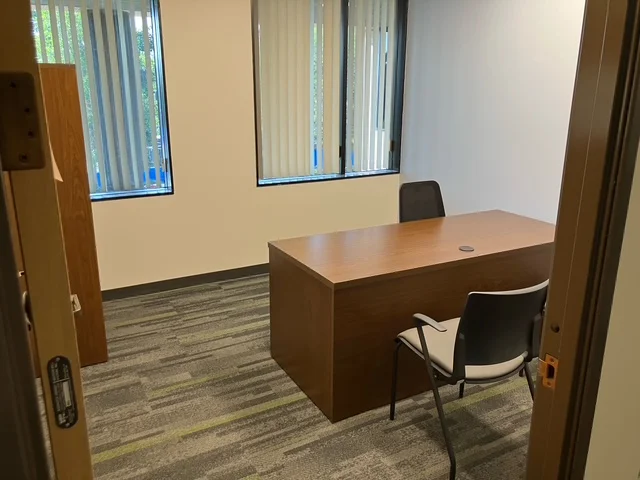
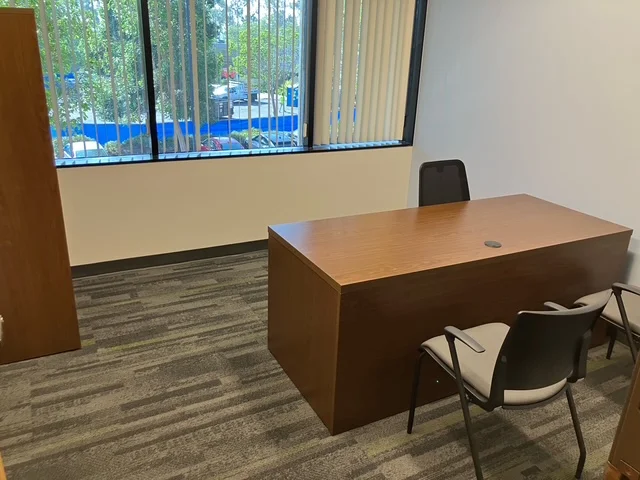
The layout of private offices facilitates uninterrupted communication between staff and visitors. Wood-tone desks and guest seating create a friendly, strong consultation space. Cable-managed work surfaces and storage shelves help keep papers and digital tools in order. These features help coordinators track schedules, communicate with clients, and maintain records in an organized space that reduces visual clutter and makes it easier to have clear conversations. Consistent furniture finishes and well-planned spacing also create an impression of order, making it easier for staff to switch between administrative tasks and client-focused conversations.
Collaborative zones designed for team interaction
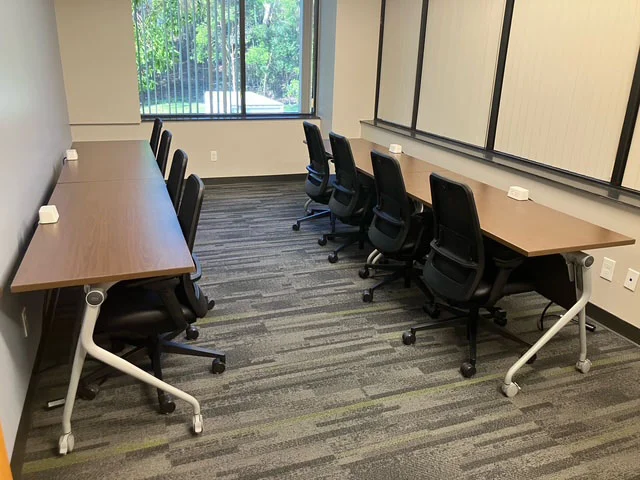
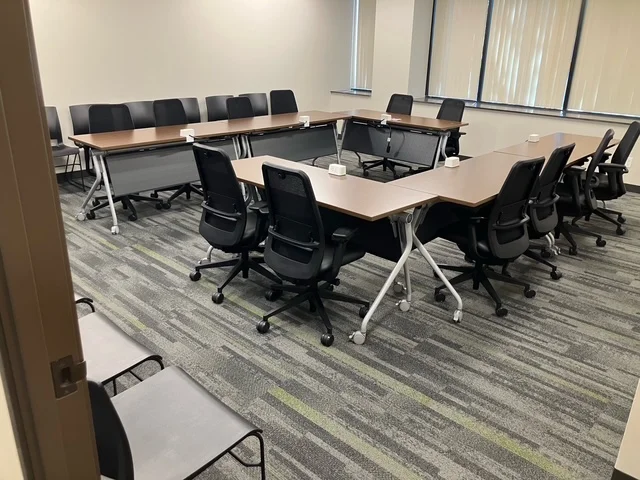
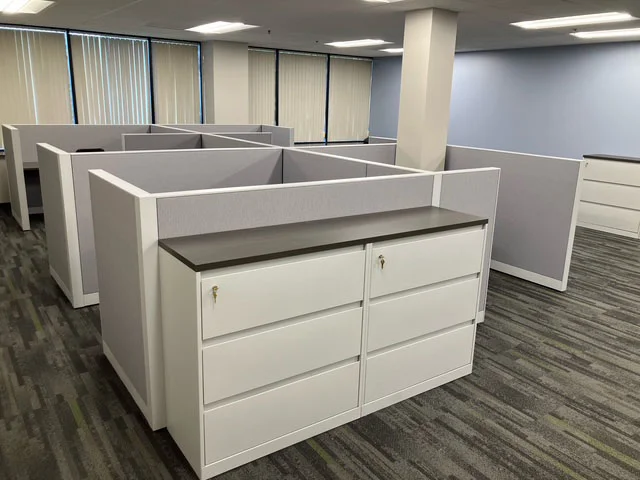
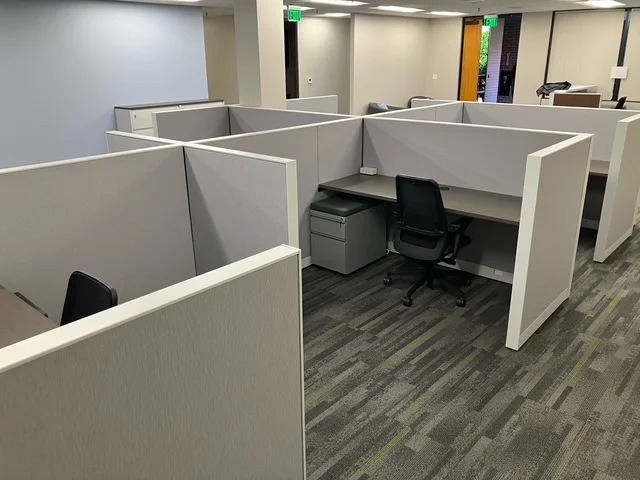
Modular tables and comfortable seating are set up in shared work areas to encourage teamwork. These areas are useful for training sessions, case discussions, and office planning. The room’s flexible layout lets teams change it around to fit their needs each day. Neutral finishes and patterned carpet tiles make the sound softer and add visual interest. The design helps keep the professional atmosphere while allowing for long work sessions. Clear sightlines and flexible seating arrangements make people more likely to participate, which helps teams share information quickly while keeping the workflow organized.
Breakroom and reception spaces that promote comfort
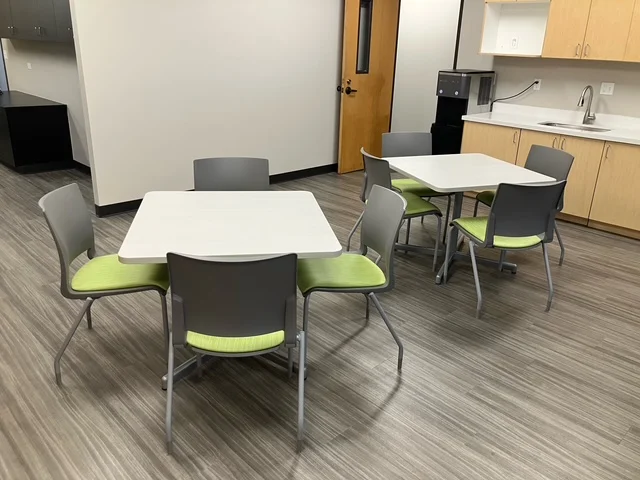
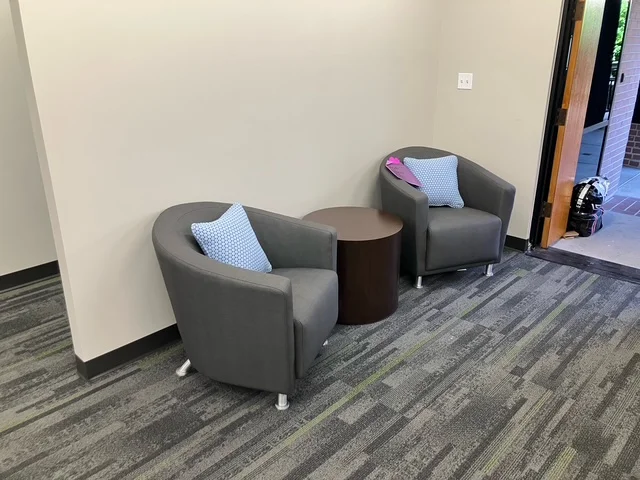
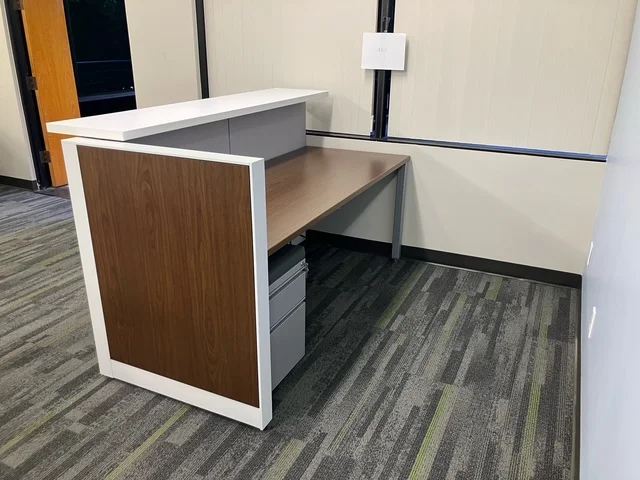
The design language of the breakroom and reception areas mirrors that of the rest of the building, with a focus on relaxation and casual socializing. Staff can relax at small dining tables, lounge seating, and a kitchenette. These places also give visitors a calm first impression. Soft seating and warm finishes make the space feel welcoming, which aligns with the supportive nature of home care services. Having access to comfortable shared spaces boosts morale and encourages informal collaboration, which can improve communication and strengthen a positive workplace culture.
A well-planned workspace reinforces the daily operations of teams delivering personal care support. From private offices to collaborative rooms and restorative break areas, each zone contributes to a cohesive environment that aligns with compassionate service delivery. Careful attention to furniture placement, circulation paths, and visual consistency helps create a setting where staff can focus on service coordination without distraction. This San Diego installation demonstrates how thoughtful interior planning enhances workflow and user experience, a standard exemplified by Quality Installers in commercial furniture integration.